

Hey there! As a supplier of aluminum formwork punching machines, I often get asked about the wear resistance of the punching parts in these machines. So, I thought I'd write this blog to share some insights on this topic.
First off, let's understand what we mean by wear resistance. Wear resistance refers to the ability of a material to withstand wear and tear caused by friction, abrasion, or other mechanical forces. In the context of aluminum formwork punching machines, the punching parts are constantly in contact with the aluminum formwork during the punching process. This contact generates a significant amount of friction and stress, which can lead to wear and damage over time.

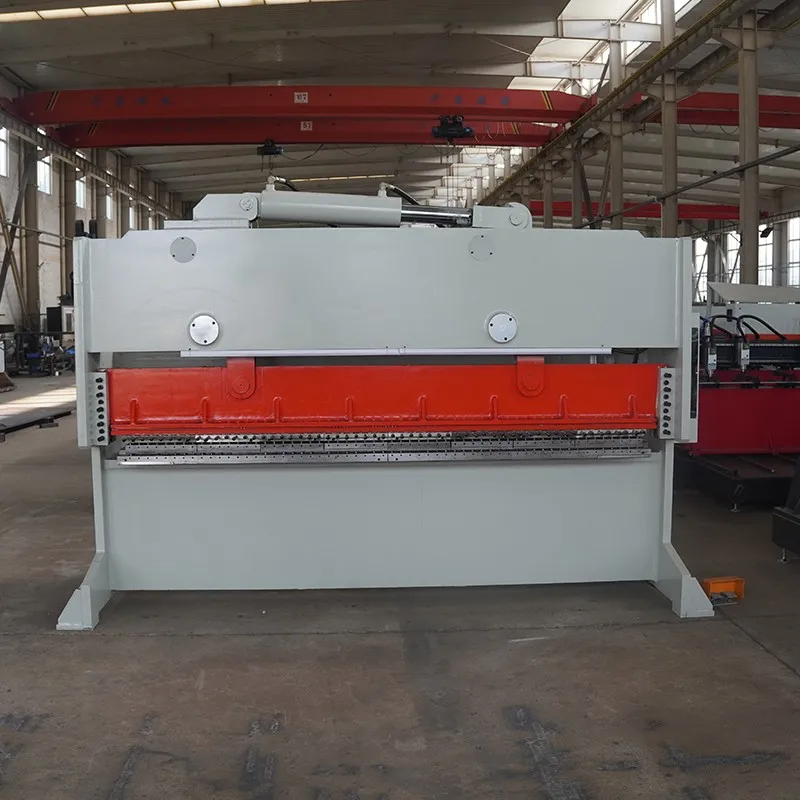
The wear resistance of the punching parts is crucial for several reasons. For starters, it directly affects the lifespan of the punching parts. If the parts have poor wear resistance, they'll need to be replaced frequently, which can increase maintenance costs and downtime for your production line. On top of that, worn - out punching parts can also affect the quality of the punched holes in the aluminum formwork. This can lead to issues such as uneven hole sizes, burrs, or even damage to the formwork itself.
Now, let's talk about the factors that influence the wear resistance of the punching parts in an aluminum formwork punching machine.
Material Selection
The material used to make the punching parts is one of the most important factors. High - quality tool steels are commonly used for punching parts because they offer good hardness, toughness, and wear resistance. For example, some tool steels like D2 or H13 are known for their excellent performance in high - stress applications. These steels can be heat - treated to achieve the desired hardness and wear resistance properties.
Another option is carbide. Carbide is extremely hard and has excellent wear resistance. It's often used for punching parts that need to punch through thick or hard aluminum formwork. However, carbide is also more expensive than tool steel, so it's usually reserved for applications where the benefits of its high wear resistance outweigh the cost.
Surface Treatment
Surface treatments can significantly improve the wear resistance of the punching parts. One common surface treatment is nitriding. Nitriding is a process where nitrogen is diffused into the surface of the punching part. This creates a hard, wear - resistant layer on the surface. The nitrided layer can reduce friction and prevent the formation of wear particles, thus extending the lifespan of the punching part.
Coating is another effective surface treatment. There are various types of coatings available, such as titanium nitride (TiN), titanium carbonitride (TiCN), and chromium nitride (CrN). These coatings can provide a smooth, hard surface that reduces friction and protects the punching part from wear. For instance, TiN coating is known for its high hardness and low friction coefficient, which makes it a popular choice for improving the wear resistance of punching parts.
Design of the Punching Parts
The design of the punching parts also plays a role in their wear resistance. A well - designed punching part should have a proper shape and geometry to distribute the stress evenly during the punching process. For example, a punching part with a sharp edge may cause more stress concentration, leading to faster wear. On the other hand, a rounded or beveled edge can help to distribute the stress more evenly and reduce wear.
The clearance between the punching part and the die is also crucial. If the clearance is too small, there will be more friction between the punching part and the die, which can increase wear. If the clearance is too large, it can lead to issues such as burrs on the punched holes. So, getting the right clearance is essential for both the quality of the punched holes and the wear resistance of the punching parts.
Operating Conditions
The operating conditions of the aluminum formwork punching machine can also affect the wear resistance of the punching parts. The punching speed, for example, can have a significant impact. Higher punching speeds can generate more heat and stress, which can accelerate wear. So, it's important to operate the machine at an appropriate speed based on the material and thickness of the aluminum formwork.
The lubrication of the punching process is also vital. Proper lubrication can reduce friction between the punching part and the aluminum formwork, which in turn reduces wear. There are different types of lubricants available, and you need to choose the one that's suitable for your specific application.
How Our Machines Excel in Wear Resistance
As a supplier of aluminum formwork punching machines, we take all these factors into account when manufacturing our machines. We use high - quality materials for our punching parts, and we carefully select the right material based on the specific requirements of our customers. Whether you need to punch thin or thick aluminum formwork, we can provide punching parts made of the most suitable material.
We also pay great attention to surface treatments. Our punching parts are often treated with advanced surface treatments like nitriding or coated with high - performance coatings to ensure maximum wear resistance. And our engineering team designs the punching parts with optimal geometries to distribute stress evenly and reduce wear.
If you're looking for a reliable aluminum formwork punching machine, we have a range of options to meet your needs. Check out our Building Aluminum Formwork Production Line, which is perfect for large - scale production. For smaller operations, our Small Aluminum Formwork Punch Machine is a great choice. And if you need to punch aluminum alloy formwork, our Aluminum Alloy Formwork Punch Machine offers high - precision punching with excellent wear - resistant punching parts.
In conclusion, the wear resistance of the punching parts in an aluminum formwork punching machine is a complex but important topic. By understanding the factors that influence wear resistance and choosing the right machine and punching parts, you can ensure efficient and high - quality production. If you're interested in learning more about our aluminum formwork punching machines or have any questions about the wear resistance of our punching parts, don't hesitate to get in touch with us for a procurement discussion. We're here to help you find the best solution for your production needs.
References
- "Tool and Die Materials" by John R. Davis
- "Surface Engineering for Wear Resistance" by K. C. Ludema