

As a supplier of Aluminum Template UV Roller Machines, one of the most frequently asked questions I encounter from potential customers is about the ink consumption rate of these machines. Understanding the ink consumption rate is crucial for businesses as it directly impacts the operational costs and overall efficiency of the coating process. In this blog post, I will delve into the factors that influence the ink consumption rate of an Aluminum Template UV Roller Machine and provide some insights on how to optimize it.
Factors Affecting Ink Consumption Rate
1. Template Surface Characteristics
The surface condition of the aluminum template plays a significant role in determining the ink consumption rate. Templates with rough surfaces tend to absorb more ink compared to those with smooth surfaces. This is because the irregularities on the rough surface create more voids and crevices where the ink can seep into. For example, if the aluminum template has been subjected to extensive machining or has a high degree of surface oxidation, it will require more ink to achieve a uniform coating. On the other hand, templates that have been properly polished and treated will have a lower ink consumption rate.

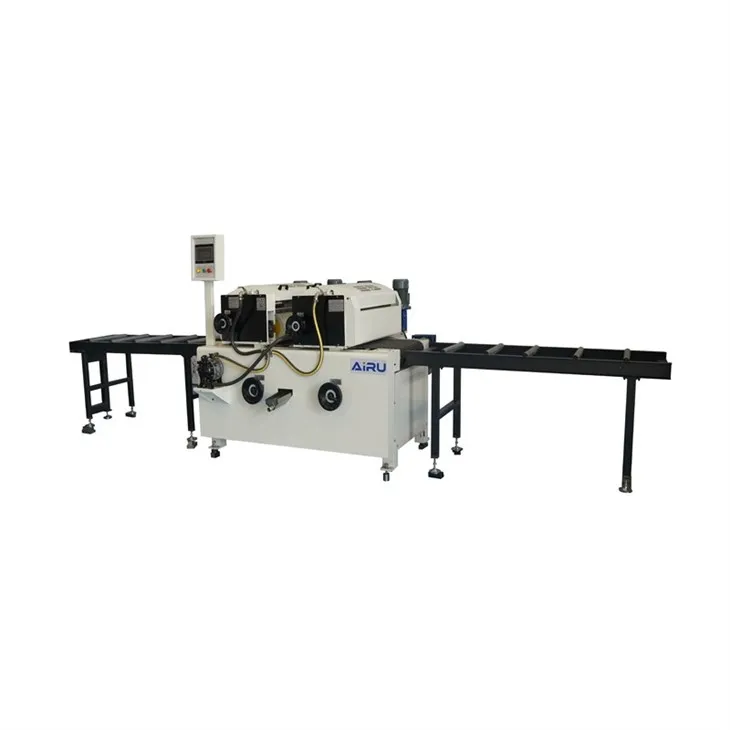
2. Coating Thickness
The desired coating thickness is another key factor that affects ink consumption. A thicker coating will naturally require more ink. The coating thickness is often determined by the specific requirements of the project, such as the level of protection needed or the aesthetic appearance desired. For instance, if a project calls for a high - gloss finish with excellent durability, a thicker coating may be necessary, which will result in higher ink usage.
3. Roller Design and Condition
The design and condition of the rollers in the UV roller machine are also important. Different roller designs have different ink transfer capabilities. For example, rollers with a higher density of cells or grooves can hold and transfer more ink. However, if the rollers are worn out or damaged, they may not distribute the ink evenly, leading to over - application in some areas and under - application in others. This can increase the overall ink consumption as more ink may be needed to correct the uneven coating.
4. Ink Viscosity
The viscosity of the ink has a direct impact on its flow and transfer properties. Inks with higher viscosity are thicker and may not flow as easily, which can make it more difficult to achieve a uniform coating. As a result, more ink may be required to cover the template surface. Conversely, inks with lower viscosity are more fluid and can spread more evenly, potentially reducing the ink consumption. However, extremely low - viscosity inks may also cause issues such as dripping or running, so finding the right balance is essential.
5. Machine Speed
The operating speed of the Aluminum Template UV Roller Machine can affect the ink consumption rate. At higher speeds, the machine may require more ink to ensure that the template is adequately coated. This is because the contact time between the roller and the template is reduced at high speeds, and more ink needs to be transferred quickly to achieve the desired coating thickness. On the other hand, running the machine at a very low speed may also increase ink consumption as the ink may have more time to spread and soak into the template, leading to over - application.
Measuring Ink Consumption Rate
To accurately measure the ink consumption rate of an Aluminum Template UV Roller Machine, it is necessary to conduct a series of tests. First, weigh the ink container before and after a specific number of templates have been coated. The difference in weight represents the amount of ink used. Then, divide this amount by the number of templates coated to get the average ink consumption per template.
It is also important to measure the surface area of the templates being coated. By calculating the ink consumption per square meter of the template surface, a more accurate comparison can be made between different machines or coating processes. This measurement can help businesses to estimate their ink costs more precisely and make informed decisions about their coating operations.
Optimizing Ink Consumption
1. Surface Preparation
Proper surface preparation of the aluminum templates can significantly reduce ink consumption. This includes cleaning the templates to remove any dirt, oil, or debris, and then polishing or treating the surface to make it smoother. By reducing the surface roughness, less ink will be absorbed by the template, resulting in lower consumption.
2. Adjusting Coating Thickness
Work closely with your customers to determine the optimal coating thickness for their specific needs. Avoid over - coating by ensuring that the thickness is only as much as required for the project. This can be achieved by carefully calibrating the machine settings and using appropriate measuring tools to monitor the coating thickness during the process.
3. Maintaining Rollers
Regularly inspect and maintain the rollers in the UV roller machine. Replace worn - out or damaged rollers promptly to ensure even ink distribution. Clean the rollers regularly to prevent the build - up of ink residue, which can affect their performance.
4. Selecting the Right Ink
Choose an ink with the appropriate viscosity for your application. Consult with ink suppliers to find an ink that offers good flow properties while still meeting the required coating standards. Additionally, consider using inks that are formulated for high - efficiency coating, which can help to reduce consumption.
5. Optimizing Machine Speed
Find the optimal operating speed for your machine. This may require some experimentation to balance the need for adequate coating coverage with minimizing ink consumption. Monitor the coating quality at different speeds and adjust accordingly.
Conclusion
The ink consumption rate of an Aluminum Template UV Roller Machine is influenced by a variety of factors, including template surface characteristics, coating thickness, roller design and condition, ink viscosity, and machine speed. By understanding these factors and taking steps to optimize them, businesses can reduce their ink consumption, lower operational costs, and improve the overall efficiency of their coating processes.
If you are interested in learning more about our Aluminum Template UV Roller Machine or our Aluminum Template UV Dryer, or if you have any questions regarding ink consumption or other aspects of our products, please feel free to contact us. We are always ready to assist you in finding the best solutions for your coating needs.
References
- Coating Technology Handbook for Aluminum Templates, Industry Publication
- Ink Manufacturing and Application Guidelines, Ink Supplier Manuals
- UV Roller Machine Operation and Maintenance Manuals