

What is the difference between a hydraulic and a mechanical aluminum formwork punching machine?
In the realm of construction and manufacturing, aluminum formwork punching machines play a pivotal role in creating precise holes in aluminum formworks, which are essential for building structures. As a trusted supplier of aluminum formwork punching machines, I often encounter inquiries about the differences between hydraulic and mechanical aluminum formwork punching machines. In this blog post, I will delve into the key distinctions between these two types of machines, their advantages, and disadvantages, to help you make an informed decision when choosing the right punching machine for your specific needs.
Working Principle
The fundamental difference between hydraulic and mechanical aluminum formwork punching machines lies in their working principles.
A mechanical aluminum formwork punching machine operates based on mechanical transmission. It typically uses a flywheel and a crankshaft mechanism. The motor drives the flywheel to rotate, and through the crank - shaft, the rotational motion is converted into linear motion. This linear motion is then used to drive the punching head to punch holes in the aluminum formwork. For example, when the flywheel reaches a certain speed, the clutch engages, transferring the power to the punching mechanism to perform the punching operation.
On the other hand, a hydraulic aluminum formwork punching machine relies on hydraulic pressure. It has a hydraulic pump that generates high - pressure hydraulic fluid. This fluid is then directed to a hydraulic cylinder. The pressure of the hydraulic fluid in the cylinder causes the piston to move, which in turn drives the punching head. The hydraulic system can be precisely controlled, allowing for accurate punching operations.
Punching Force and Precision
Punching force is an important factor when it comes to punching machines.
Mechanical punching machines usually have a fixed punching force determined by their mechanical structure. Once the machine is designed and manufactured, the maximum punching force is set. They are suitable for applications where a relatively high and consistent punching force is required. However, the adjustment of the punching force is limited, and it may not be as flexible as hydraulic machines.
Hydraulic punching machines offer more flexibility in terms of punching force. The punching force can be easily adjusted by controlling the pressure of the hydraulic fluid. This makes them suitable for punching different thicknesses and materials of aluminum formworks. For instance, if you need to punch a thin - walled aluminum formwork, you can reduce the punching force, and for a thicker one, you can increase it. In terms of precision, hydraulic machines generally have better precision. The hydraulic system can be accurately controlled, and the movement of the punching head can be more precisely regulated, resulting in more accurate hole diameters and positions.
Speed of Operation
The speed of operation is another aspect where these two types of machines differ.
Mechanical punching machines are known for their high - speed operation. Due to their mechanical transmission structure, they can punch holes at a relatively fast rate. They are ideal for mass - production scenarios where a large number of holes need to be punched in a short period. For example, in a large - scale construction project where thousands of aluminum formworks need to be processed, a mechanical punching machine can significantly increase the production efficiency.
Hydraulic punching machines, although they can also operate at a reasonable speed, are generally slower than mechanical ones. The process of generating and controlling hydraulic pressure takes a bit more time compared to the mechanical transmission in a mechanical punching machine. However, the slower speed is often compensated by their higher precision and flexibility.
Maintenance and Durability
Maintenance requirements and durability are crucial considerations for any industrial equipment.

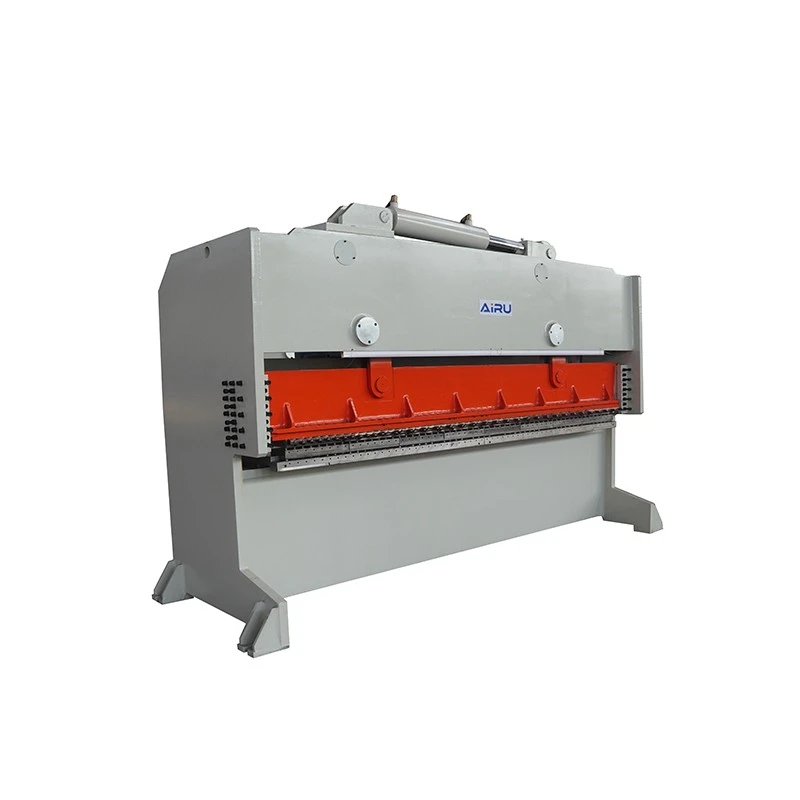
Mechanical punching machines have a relatively simple structure, which makes them easier to maintain in some aspects. The mechanical components such as the flywheel, crankshaft, and gears are well - understood and can be easily replaced if they wear out. However, these components are subject to mechanical stress and wear over time. The high - speed operation can also cause more frequent wear and tear on the mechanical parts, requiring regular maintenance and replacement of parts.
Hydraulic punching machines have a more complex structure due to the hydraulic system. The hydraulic pump, valves, and cylinders need to be carefully maintained. The hydraulic fluid also needs to be regularly checked and replaced to ensure the proper functioning of the system. However, hydraulic components are generally more durable when properly maintained. The hydraulic system can absorb shock and vibration better than mechanical systems, which can reduce the stress on the machine and increase its overall durability.
Cost
Cost is always a significant factor in the purchasing decision.
Mechanical punching machines are usually more cost - effective in terms of the initial purchase price. Their simpler structure and manufacturing process result in a lower cost. They are a good choice for small - to - medium - sized enterprises or projects with a limited budget.
Hydraulic punching machines are generally more expensive. The cost of the hydraulic system, including the pump, valves, and hydraulic fluid, adds to the overall price. However, considering their flexibility, precision, and durability, they can be a worthwhile investment in the long run, especially for large - scale production and high - precision requirements.
Applications
Both types of machines have their own suitable applications.
Mechanical punching machines are widely used in mass - production lines where high - speed punching of standard - sized holes in aluminum formworks is required. For example, in the pre - fabrication of aluminum formworks for residential buildings, a mechanical punching machine can quickly punch a large number of holes with a consistent quality. You can find more information about our mechanical punching machines on our Single - headed Aluminum Formwork Punch Machine page.
Hydraulic punching machines are preferred in applications where precision and flexibility are key. They are suitable for punching complex hole patterns, different thicknesses of aluminum formworks, and in industries where high - quality punching is required, such as in high - end commercial buildings. Check out our Building Formwork Punch Machine and Aluminum Template Punching Machine for more details on our hydraulic punching solutions.
Conclusion
In conclusion, the choice between a hydraulic and a mechanical aluminum formwork punching machine depends on various factors such as punching force requirements, precision needs, speed of operation, maintenance capabilities, budget, and application scenarios. Mechanical punching machines are known for their high - speed operation and relatively low cost, making them suitable for mass - production. Hydraulic punching machines offer more flexibility, better precision, and durability, although they come with a higher initial cost.
If you are in the market for an aluminum formwork punching machine and need further advice on which type is best for your project, feel free to contact us. Our team of experts is ready to assist you in making the right choice and providing you with high - quality punching machines that meet your specific requirements.
References
- "Industrial Punching Machines: Principles and Applications" - A technical handbook on punching machines.
- "Hydraulic Systems in Manufacturing" - A publication focusing on the use of hydraulic systems in industrial equipment.
- "Mechanical Transmission Design for Punching Operations" - A research paper on the design of mechanical punching mechanisms.