

Ensuring the stability of a large aluminum formwork punch machine during operation is crucial for both the efficiency of production and the quality of the final products. As a supplier of Large Aluminum Formwork Punch Machine, I have witnessed firsthand the impact that a stable machine can have on a construction project. In this blog, I will share some key strategies and practices that can help you maintain the stability of your large aluminum formwork punch machine.
1. Machine Installation and Foundation
The first step in ensuring the stability of a large aluminum formwork punch machine is proper installation. A solid and level foundation is essential. The machine should be installed on a flat surface that can support its weight and absorb the vibrations generated during operation. Before installation, it is necessary to conduct a thorough inspection of the installation site. The ground should be free of any unevenness, cracks, or soft spots. If the ground is not suitable, appropriate measures such as pouring a concrete foundation can be taken.
During the installation process, follow the manufacturer's instructions carefully. Make sure all the components are installed correctly and securely. Check the alignment of the machine to ensure that it is straight and level. Any misalignment can cause uneven stress on the machine parts, leading to instability and premature wear.
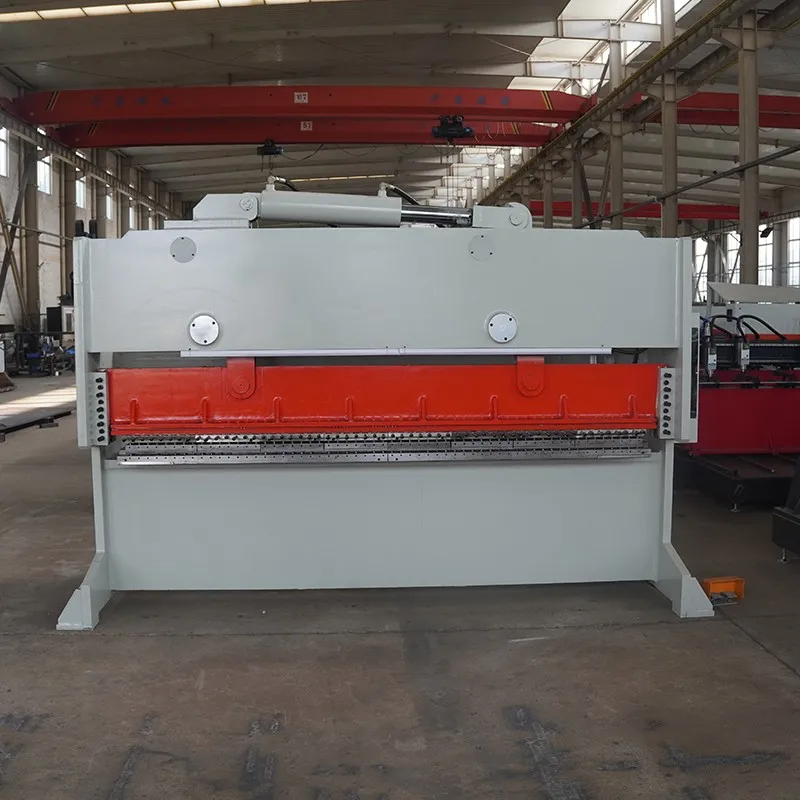

2. Regular Maintenance and Inspection
Regular maintenance is the cornerstone of machine stability. Create a detailed maintenance schedule and stick to it. This should include daily, weekly, monthly, and annual maintenance tasks.
- Daily Maintenance: Before starting the machine each day, conduct a visual inspection. Check for any loose bolts, nuts, or other fasteners. Inspect the hydraulic system for leaks, and ensure that the oil level is within the appropriate range. Clean the machine to remove any debris or dust that may have accumulated during the previous day's operation.
- Weekly Maintenance: Lubricate all the moving parts according to the manufacturer's recommendations. Check the belts and chains for proper tension and wear. Inspect the electrical system for any signs of damage or loose connections.
- Monthly Maintenance: Perform a more in - depth inspection of the machine. Check the accuracy of the punching mechanism. Measure the clearances between the punch and the die to ensure they are within the specified tolerance. Calibrate the machine if necessary to maintain its precision.
- Annual Maintenance: Have a professional technician conduct a comprehensive inspection of the machine. This may include disassembling some of the components for a detailed inspection. Replace any worn - out parts, and perform a complete overhaul if needed.
3. Operator Training
Well - trained operators are essential for the stable operation of a large aluminum formwork punch machine. Provide comprehensive training to all operators. The training should cover not only the basic operation of the machine but also safety procedures, maintenance knowledge, and troubleshooting skills.
Operators should understand the machine's capabilities and limitations. They should know how to adjust the settings correctly for different types of aluminum formwork. Teach them how to recognize the signs of potential problems, such as abnormal noises, vibrations, or changes in punching force. By having skilled operators, you can minimize the risk of operator - induced instability and ensure that the machine is used in the most efficient and stable way.
4. Quality of Raw Materials
The quality of the aluminum formwork materials used in the punching process can also affect the machine's stability. Use high - quality aluminum alloys that meet the required specifications. Inferior materials may have inconsistent hardness, thickness, or composition, which can cause uneven punching forces and put additional stress on the machine.
Before using a new batch of materials, test a sample on the machine. Observe the punching process to ensure that the materials can be punched smoothly without causing excessive vibrations or damage to the machine. If any issues are detected, work with your material supplier to find a suitable solution.
5. Control of Working Environment
The working environment can have a significant impact on the stability of the large aluminum formwork punch machine. Keep the working area clean and dry. Excessive dust, moisture, or humidity can damage the machine components, especially the electrical and hydraulic systems.
Control the temperature and humidity in the working area. Extreme temperatures can cause the machine parts to expand or contract, affecting the alignment and stability of the machine. Install air - conditioning or heating systems if necessary to maintain a stable working environment.
6. Upgrade and Modernization
As technology advances, consider upgrading your large aluminum formwork punch machine. Newer models may have improved features and technologies that can enhance stability. For example, some machines are equipped with advanced control systems that can automatically adjust the punching parameters based on the material properties, ensuring a more stable punching process.
You can also modernize the existing machine by replacing some of its components with more advanced ones. For instance, upgrading the hydraulic system to a more efficient and reliable one can improve the machine's performance and stability.
7. Use of High - Quality Tools and Dies
The quality of the tools and dies used in the punching process is crucial for machine stability. Invest in high - quality punches and dies that are made from durable materials and have precise dimensions. Poor - quality tools and dies can cause uneven punching forces, leading to instability and poor - quality products.
Regularly inspect the tools and dies for wear and damage. Replace them as soon as they show signs of excessive wear. Make sure the tools and dies are properly installed and aligned with the machine. Any misalignment can cause problems during the punching process.
8. Load Management
Do not overload the large aluminum formwork punch machine. Each machine has a specified maximum punching force and capacity. Make sure the thickness and size of the aluminum formwork being punched are within the machine's capabilities. Overloading the machine can cause excessive stress on the components, leading to instability, mechanical failures, and even safety hazards.
If you need to punch thicker or larger formwork, consider using a machine with a higher capacity. Alternatively, you can use a multi - step punching process to reduce the load on the machine at each step.
9. Data Monitoring and Analysis
Implement a data monitoring system for the machine. This can include sensors that measure parameters such as punching force, speed, temperature, and vibration. Collect and analyze this data regularly to identify any trends or anomalies.
By monitoring the data, you can detect potential problems before they become serious. For example, if the vibration level of the machine starts to increase gradually, it may indicate a problem with the alignment or a worn - out component. You can then take proactive measures to address the issue and prevent further damage to the machine.
Conclusion
Ensuring the stability of a large aluminum formwork punch machine during operation requires a comprehensive approach. From proper installation and regular maintenance to operator training and quality control, every aspect plays a vital role. By following these strategies, you can not only improve the stability of your machine but also extend its service life, enhance the quality of your products, and increase the overall efficiency of your production process.
If you are in the market for a Large Aluminum Formwork Punch Machine or need more information about our Building Aluminum Formwork Production Line and Aluminum Alloy Formwork Punch Machine, please feel free to contact us for a detailed discussion and potential procurement.
References
- Manufacturer's manuals for large aluminum formwork punch machines
- Industry standards and guidelines for machine installation, maintenance, and operation
- Technical papers on machine stability and performance optimization in the metalworking industry