

As a supplier of aluminum formwork coating equipment, I've witnessed firsthand the growing importance of understanding the environmental impact of our products. In this blog, I'll delve into the various aspects of how using aluminum formwork coating equipment affects the environment, from raw material extraction to end - of - life disposal.
Raw Material Extraction and Production
The production of aluminum formwork coating equipment starts with the extraction of raw materials. Aluminum, the primary material for formworks, is obtained through the mining of bauxite ore. The extraction process can have significant environmental impacts. Mining operations often lead to deforestation, soil erosion, and habitat destruction. Large amounts of energy are also consumed during the extraction and refining of aluminum.
However, modern aluminum production techniques have become more energy - efficient. The use of recycled aluminum has also increased significantly. Recycling aluminum requires only about 5% of the energy needed to produce new aluminum from bauxite. As a supplier, we encourage the use of recycled aluminum in the manufacturing of our formwork coating equipment. By doing so, we can reduce the demand for newly mined bauxite and lower the overall carbon footprint associated with our products.
Coating Materials
The coatings used in aluminum formwork coating equipment play a crucial role in the environmental impact. Traditional coatings may contain volatile organic compounds (VOCs). VOCs are chemicals that can evaporate into the air at room temperature and contribute to air pollution. They can cause a variety of health problems, including respiratory issues, headaches, and eye irritation. In addition, VOCs are a major contributor to the formation of ground - level ozone, a harmful air pollutant.
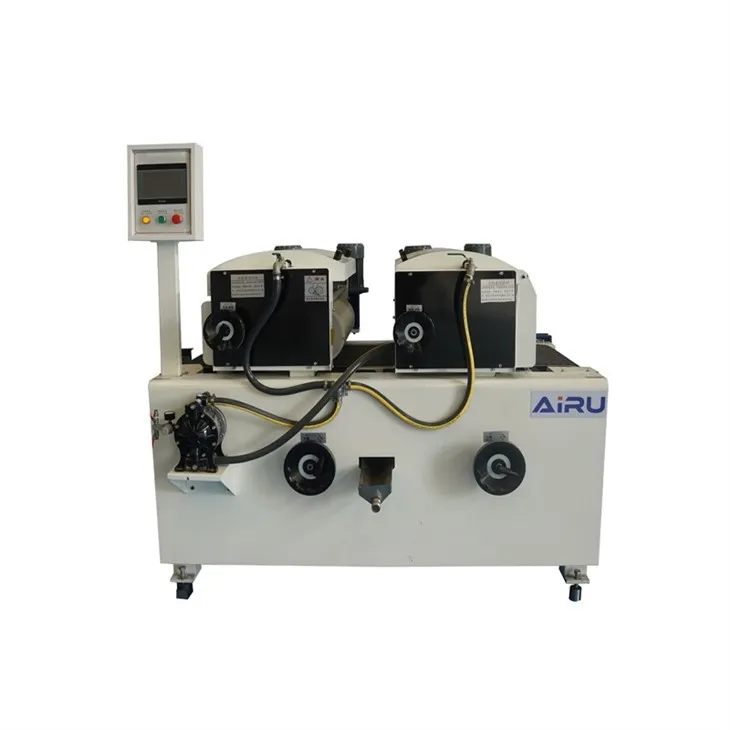
To address these concerns, we offer aluminum formwork coating equipment that is compatible with low - VOC or VOC - free coatings. These environmentally friendly coatings not only reduce air pollution but also create a safer working environment for operators. For example, Aluminum Template UV Roller Machine can be used to apply UV - curable coatings. UV - curable coatings are known for their low VOC content and fast curing times. They require less energy to cure compared to traditional coatings, which further reduces the environmental impact.
Energy Consumption
Energy consumption is another significant factor in the environmental impact of using aluminum formwork coating equipment. The coating process typically involves heating, drying, and curing steps, all of which require energy. Older equipment may be less energy - efficient, leading to higher energy consumption and increased greenhouse gas emissions.
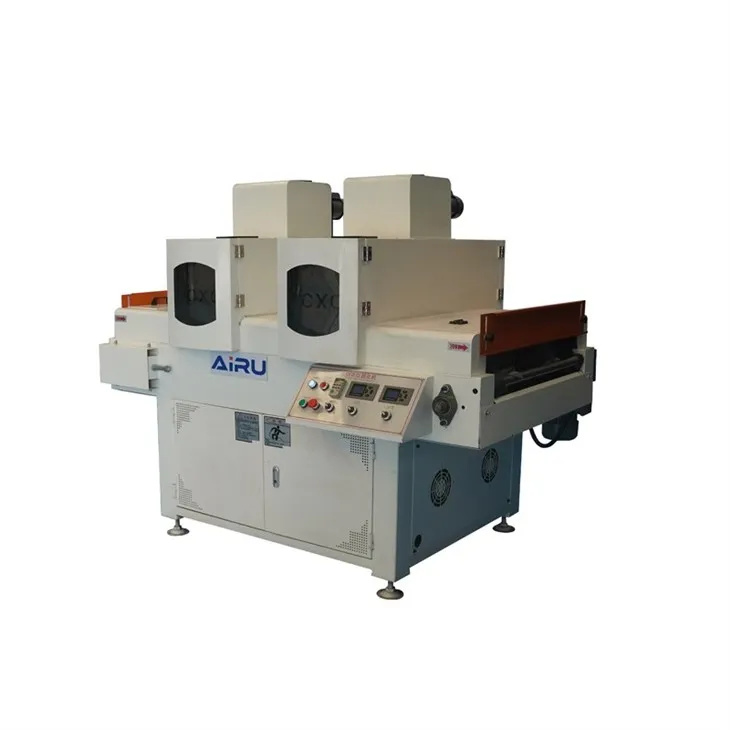
Our company is committed to developing energy - efficient aluminum formwork coating equipment. For instance, the Aluminum Template UV Dryer uses UV light to cure coatings instead of traditional heat - based methods. UV curing is a highly energy - efficient process that can significantly reduce energy consumption. It also has a shorter curing time, which increases productivity and reduces the overall energy required for the coating process.
Waste Generation
Waste generation is an inevitable part of the aluminum formwork coating process. This includes waste coatings, solvents, and used formworks. Improper disposal of these wastes can have serious environmental consequences, such as soil and water contamination.
We promote waste reduction and recycling in our operations. Our equipment is designed to minimize over - spraying and waste coating generation. Additionally, we encourage our customers to recycle used formworks and properly dispose of waste coatings and solvents. By implementing a comprehensive waste management plan, we can reduce the amount of waste sent to landfills and minimize the environmental impact of our products.
End - of - Life Disposal
At the end of their useful life, aluminum formworks and coating equipment need to be disposed of properly. Aluminum is a highly recyclable material, and recycling aluminum formworks can help conserve natural resources and reduce energy consumption. Our company provides guidance to our customers on how to recycle their used formworks and coating equipment.
We also work with recycling facilities to ensure that the materials from our products are recycled in an environmentally friendly way. By promoting the recycling of aluminum formworks and coating equipment, we can contribute to a circular economy and reduce the environmental impact associated with the end - of - life disposal of our products.
Life Cycle Assessment
To fully understand the environmental impact of using aluminum formwork coating equipment, a life cycle assessment (LCA) can be conducted. An LCA evaluates the environmental impacts of a product from cradle to grave, including raw material extraction, production, use, and end - of - life disposal.
By conducting an LCA, we can identify areas where we can further reduce the environmental impact of our products. For example, we can focus on improving the energy efficiency of our equipment, reducing the use of hazardous materials, and increasing the recyclability of our products. This holistic approach allows us to make informed decisions and continuously improve the environmental performance of our aluminum formwork coating equipment.
Conclusion
In conclusion, the environmental impact of using aluminum formwork coating equipment is a complex issue that involves multiple aspects, including raw material extraction, coating materials, energy consumption, waste generation, and end - of - life disposal. As a supplier, we are committed to minimizing the environmental impact of our products. We offer energy - efficient equipment, promote the use of environmentally friendly coatings, and encourage waste reduction and recycling.
If you are interested in learning more about our aluminum formwork coating equipment or discussing how we can help you reduce your environmental footprint, please feel free to contact us. We are ready to engage in procurement discussions and provide you with the best solutions for your needs.
References
- Cabeza, L. F., et al. "Life cycle assessment of building materials: Comparative analysis of energy and environmental impacts and evaluation of the eco - efficiency improvement potential." Renewable and Sustainable Energy Reviews, 2014.
- European Aluminium Association. "The Environmental Performance of Aluminium." 2020.
- United States Environmental Protection Agency. "Volatile Organic Compounds: What You Should Know." 2021.