

Hey there! As a supplier of Aluminum Alloy Formwork Punch Machines, I often get asked about the calibration method for these machines. So, I thought I'd share some insights on this topic.
First off, let's understand why calibration is so important. Calibration ensures that your Aluminum Alloy Formwork Punch Machine is working accurately and efficiently. When a machine is properly calibrated, it can produce high - quality punched holes in aluminum alloy formworks, which is crucial for the overall quality of construction projects.
Pre - calibration Checks
Before we start the actual calibration process, there are a few pre - calibration checks we need to do. First, we need to visually inspect the machine. Look for any signs of wear and tear on the punching tools, such as dull punches or damaged dies. A worn - out punch can lead to inaccurate hole sizes and poor hole quality. You should also check the alignment of the punching head. If it's misaligned, the holes won't be punched in the right place.
Next, check the hydraulic system if your machine has one. Make sure there are no leaks in the hydraulic hoses, and the hydraulic fluid level is within the recommended range. Low fluid levels can cause the machine to operate erratically, affecting the punching accuracy.
Calibrating the Punching Force
One of the key aspects of calibrating an Aluminum Alloy Formwork Punch Machine is setting the right punching force. The punching force needs to be adjusted according to the thickness and type of the aluminum alloy formwork you're working with.
To start with, refer to the machine's manual. It usually has a chart that shows the recommended punching force for different thicknesses of aluminum alloy. You can use a force - measuring device to check the actual punching force. If the measured force is different from the recommended value, you can adjust it. Most modern machines have a control panel where you can increase or decrease the punching force.
Let's say you're working with a relatively thin aluminum alloy formwork. If the punching force is too high, it can cause the material to deform or crack. On the other hand, if the force is too low, the punch may not fully penetrate the material, resulting in incomplete holes.
Punch Position Calibration
Accurate punch position is essential for creating holes in the right places on the aluminum alloy formwork. To calibrate the punch position, you can use a measuring tool like a ruler or a digital caliper.
First, mark the exact positions where you want the holes to be punched on a test piece of aluminum alloy formwork. Then, use the machine's positioning system to align the punch with these marked positions. Start the machine and make a test punch. Measure the distance between the punched hole and the marked position. If there's a deviation, you can adjust the positioning system of the machine.
Some advanced Aluminum Alloy Formwork Punch Machines come with a computer - controlled positioning system. You can input the coordinates of the holes you want to punch directly into the system, and it will automatically position the punch accurately. This makes the calibration process much easier and more precise.
Die Clearance Calibration
Die clearance is another important factor in the calibration of a punch machine. The die clearance is the space between the punch and the die. It affects the quality of the punched holes and the lifespan of the punching tools.
If the die clearance is too small, the punch may get stuck in the die, causing damage to both the punch and the die. If it's too large, the edges of the punched holes may be rough or burr - like.
To calibrate the die clearance, you can use feeler gauges. Insert the feeler gauge between the punch and the die at different points around the circumference. Adjust the die until the clearance is uniform all around. The recommended die clearance depends on the thickness and type of the aluminum alloy formwork. Usually, it's a small fraction of the material thickness.
Calibration Frequency
Now, you might be wondering how often you should calibrate your Aluminum Alloy Formwork Punch Machine. Well, it depends on several factors. If you use the machine frequently, you may need to calibrate it more often, say once a week or once every two weeks. If the machine is used less frequently, monthly calibration may be sufficient.
Also, if you notice any changes in the quality of the punched holes, such as irregular hole sizes or rough edges, it's a sign that the machine may need calibration.
Our Product Range
As a supplier, we offer a variety of Aluminum Alloy Formwork Punch Machines. If you're looking for a smaller machine, you can check out our Small Aluminum Formwork Punch Machine. It's perfect for small - scale projects or workshops with limited space.

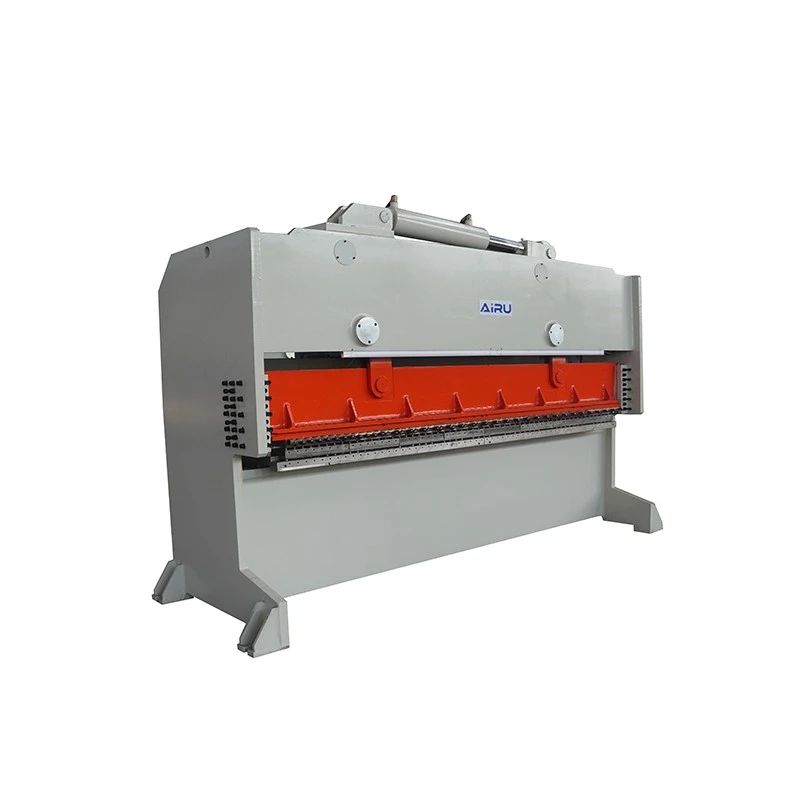
For larger construction projects, our Building Formwork Punch Machine is a great choice. It has a higher punching capacity and can handle thicker aluminum alloy formworks.
And if you need a machine specifically designed for punching templates, we have the Aluminum Template Punching Machine. It's engineered to provide high - precision punching for aluminum templates.
Contact Us for Purchase
If you're in the market for an Aluminum Alloy Formwork Punch Machine or need more information about calibration or our products, don't hesitate to reach out. We're here to help you find the right machine for your needs and ensure that it's properly calibrated for optimal performance. Whether you're a small contractor or a large construction company, we've got the solutions for you.
References
- "Handbook of Metal Forming Processes", John Wiley & Sons
- Manufacturer's manuals of Aluminum Alloy Formwork Punch Machines