

As a supplier of aluminum formwork coating equipment, I've witnessed firsthand the challenges that contractors and manufacturers face when it comes to achieving a flawless coating on aluminum formworks. Coating defects can not only compromise the aesthetic appeal of the formwork but also affect its functionality and durability. In this blog post, I'll share some practical tips on how to prevent coating defects when using aluminum formwork coating equipment.
Understanding Common Coating Defects
Before we delve into prevention strategies, it's important to understand the most common coating defects that can occur during the application process. These include:
- Orange Peel: This defect is characterized by a textured surface that resembles the skin of an orange. It is typically caused by improper spraying techniques, incorrect coating viscosity, or inadequate drying conditions.
- Runs and Sags: Runs and sags occur when the coating flows downward during the application process, leaving uneven streaks or drips on the surface of the formwork. This can be caused by overspraying, applying the coating too thickly, or using a coating with a low viscosity.
- Pinholes: Pinholes are small, round holes that appear in the coating film. They can be caused by a variety of factors, including air bubbles in the coating, contamination on the surface of the formwork, or improper curing conditions.
- Cracking: Cracking occurs when the coating film splits or breaks, usually due to excessive stress or shrinkage. This can be caused by rapid drying, improper substrate preparation, or using a coating that is not compatible with the formwork material.
Preventive Measures
1. Proper Surface Preparation
One of the most important steps in preventing coating defects is to ensure that the surface of the aluminum formwork is properly prepared before applying the coating. This includes cleaning the surface to remove any dirt, grease, or other contaminants, as well as roughening the surface to improve adhesion.
- Cleaning: Use a suitable cleaning agent to remove any dirt, grease, or other contaminants from the surface of the formwork. This can be done using a pressure washer, a solvent-based cleaner, or a combination of both. Make sure to rinse the surface thoroughly with clean water and allow it to dry completely before applying the coating.
- Roughening: Roughening the surface of the formwork can help to improve the adhesion of the coating. This can be done using a variety of methods, including sandblasting, grinding, or using a chemical etchant. The specific method you choose will depend on the type of formwork and the coating you are using.
2. Correct Coating Selection
Choosing the right coating for your aluminum formwork is crucial to preventing coating defects. Consider the following factors when selecting a coating:
- Compatibility: Make sure the coating is compatible with the formwork material and the environment in which it will be used. For example, if the formwork will be exposed to high temperatures or harsh chemicals, you may need to choose a coating that is specifically designed for these conditions.
- Viscosity: The viscosity of the coating can affect its application and drying properties. Make sure to choose a coating with the appropriate viscosity for your application method. For example, if you are using a spray gun, you may need to choose a coating with a lower viscosity to ensure proper atomization.
- Drying Time: Consider the drying time of the coating when planning your project. Some coatings may require a longer drying time than others, which can affect your production schedule. Make sure to choose a coating that has a drying time that is compatible with your project requirements.
3. Optimal Application Techniques
Using the correct application techniques is essential to achieving a smooth, even coating on your aluminum formwork. Here are some tips to help you apply the coating correctly:
- Spraying: If you are using a spray gun to apply the coating, make sure to hold the gun at the correct distance from the surface of the formwork and move it in a steady, even motion. Overspraying can cause runs and sags, while spraying too far away from the surface can result in a thin, uneven coating.
- Rolling: If you are using a roller to apply the coating, make sure to use a roller with the appropriate nap length for the coating you are using. A short nap roller is typically used for thin coatings, while a long nap roller is used for thicker coatings. Make sure to apply the coating in a thin, even layer and avoid overloading the roller.
- Brushing: If you are using a brush to apply the coating, make sure to use a high-quality brush with soft bristles. Apply the coating in a thin, even layer and brush in the direction of the grain of the formwork. Avoid brushing too hard, as this can cause the coating to bubble or streak.
4. Controlled Drying and Curing
Proper drying and curing are essential to ensuring the long-term durability of the coating on your aluminum formwork. Here are some tips to help you control the drying and curing process:
- Drying Conditions: Make sure to dry the coating in a well-ventilated area at the recommended temperature and humidity. Avoid drying the coating in direct sunlight or in an area with high humidity, as this can cause the coating to dry too quickly or develop pinholes.
- Curing Time: Follow the manufacturer's instructions for the curing time of the coating. Some coatings may require a longer curing time than others, depending on the type of coating and the environment in which it is being used. Make sure to allow the coating to cure completely before using the formwork.
5. Regular Equipment Maintenance
Regular maintenance of your aluminum formwork coating equipment is essential to ensuring its optimal performance and preventing coating defects. Here are some tips to help you maintain your equipment:
- Cleaning: Make sure to clean your equipment after each use to remove any residual coating or debris. This can help to prevent clogs and ensure that the equipment operates smoothly.
- Lubrication: Lubricate the moving parts of your equipment regularly to prevent wear and tear. This can help to extend the lifespan of your equipment and ensure that it operates efficiently.
- Inspection: Regularly inspect your equipment for any signs of damage or wear. Replace any worn or damaged parts immediately to prevent further damage to the equipment.
Utilizing Our Equipment
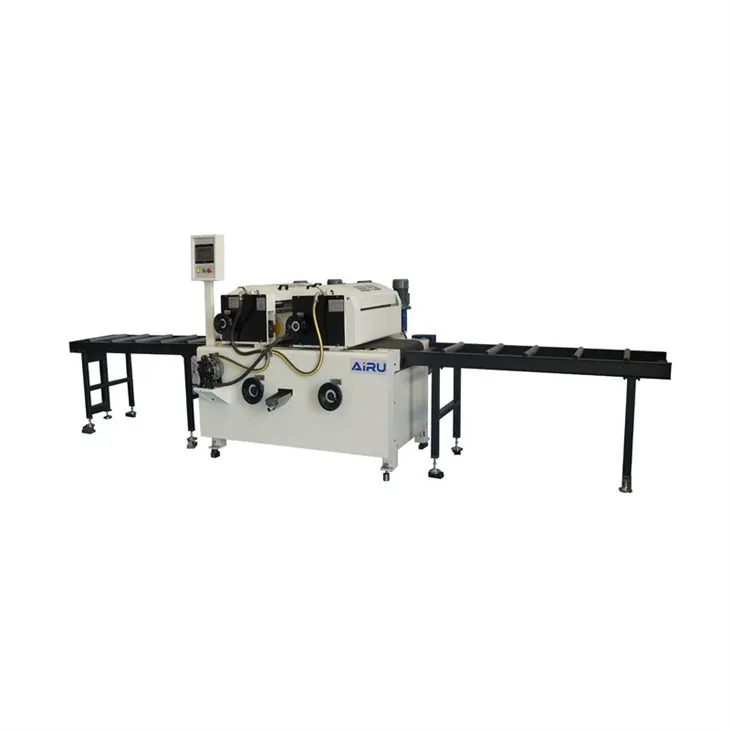
At our company, we offer a range of high-quality aluminum formwork coating equipment that is designed to help you achieve a flawless coating on your formwork. Our Aluminum Template UV Dryer is a state-of-the-art drying system that uses UV light to quickly and efficiently dry the coating on your formwork. This helps to reduce drying time and prevent coating defects such as runs and sags.
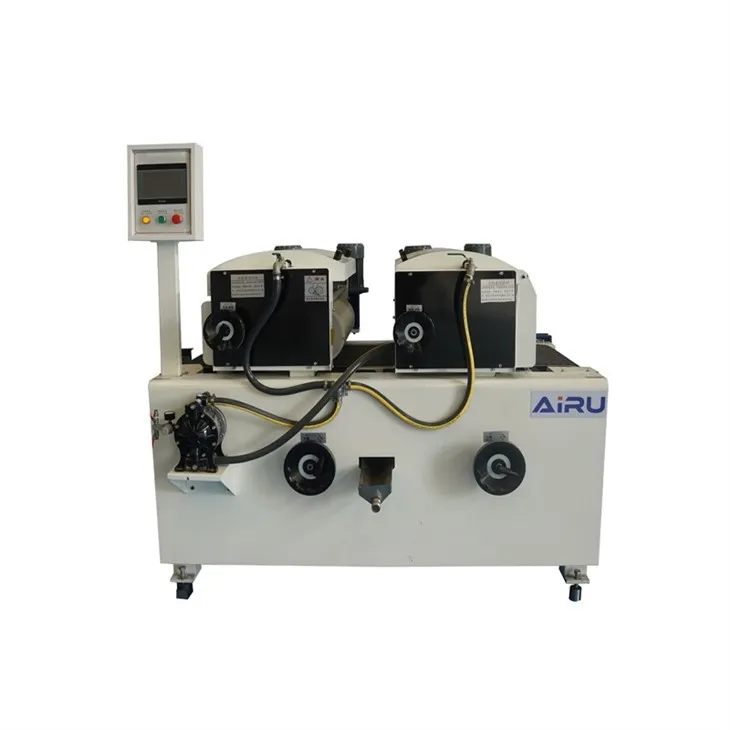
Our Aluminum Template UV Roller Machine is another innovative piece of equipment that is designed to apply a smooth, even coating on your formwork. The machine uses a roller to apply the coating, which helps to ensure a consistent thickness and finish.
Conclusion
Preventing coating defects when using aluminum formwork coating equipment requires a combination of proper surface preparation, correct coating selection, optimal application techniques, controlled drying and curing, and regular equipment maintenance. By following these tips and utilizing our high-quality equipment, you can achieve a flawless coating on your aluminum formwork that will enhance its aesthetic appeal, functionality, and durability.
If you have any questions or would like to learn more about our aluminum formwork coating equipment, please feel free to contact us. We would be happy to discuss your specific needs and help you find the right solution for your project.
References
- ASTM International. (2023). Standard practices for preparation of aluminum substrates for painting.
- Paint Quality Institute. (2023). Guide to preventing common paint defects.
- Sherwin-Williams. (2023). Technical data sheets for aluminum formwork coatings.